

As a flexible starting point for a household move, prepare about 6–8 weeks before moving day and begin packing belongings you rarely use around 4–6 weeks before the move. Adjust that schedule to the amount you own and the time you can set aside.
You do not need to live out of boxes for two months. Early preparation means sorting, clearing space and gathering supplies. Active packing starts with things you can comfortably put away, while everyday necessities stay accessible until close to moving day.
Use this timeline as a starting point, then adjust it to your household:
| Time before moving | Pack or prepare | Keep accessible |
|---|---|---|
| Suggested: 6–8 weeks | Sort belongings, arrange donations and gather supplies | Items you still need while deciding what will move |
| Suggested: 4–6 weeks | Pack seasonal items, decorations and other low-use belongings | Everyday clothing, toiletries and regularly used kitchen items |
| Suggested: 2–3 weeks | Pack most remaining nonessentials and label boxes by destination | A smaller selection of daily necessities and cleaning supplies |
| Suggested: final week | Finish packing around your daily routine and prepare an essentials bag | Personal documents, medications and what you need for moving day and the first night |
What Changes How Early You Should Start Packing?
Start earlier if you have many stored belongings, limited free time or items that need careful wrapping. A small apartment with overflowing closets can take more preparation than a larger home with fewer possessions. Room count alone does not tell you how much work is ahead.
Before choosing your start date, consider:
• How much you need to sort. Closets, storage areas and rarely opened boxes can hide decisions that slow down packing.
• When you can work. A few evenings each week require a longer calendar than several uninterrupted days.
• What needs extra care. Fragile objects and awkward shapes need suitable materials and time to pack securely.
• Who will help. Plan around confirmed help and agreed responsibilities, including any packing service you book.
• When access is available. Check building arrangements and when you can enter the new home so your packing deadline matches the move.
• Travel and delivery arrangements. For a long-distance move, confirm pickup and delivery arrangements before setting your packing deadline. Keep travel necessities separate for the period you expect to be without your shipment, and ask your mover how delivery changes will be communicated.
Walk through your home before buying supplies. Identify the areas that need the most sorting and schedule those first. If your first packing session takes longer than expected, adjust the plan while you still have room to do so.
If weekday evenings are your only opportunity, give each session a small job in the packing process: sort one shelf, wrap its contents, then label the finished container. Reserve a longer session for a storage area that needs more decisions. After the first few sessions, compare your progress with what remains and bring the remaining packing tasks forward or arrange help if the workload is greater than expected.
A Week-by-Week Packing Timeline
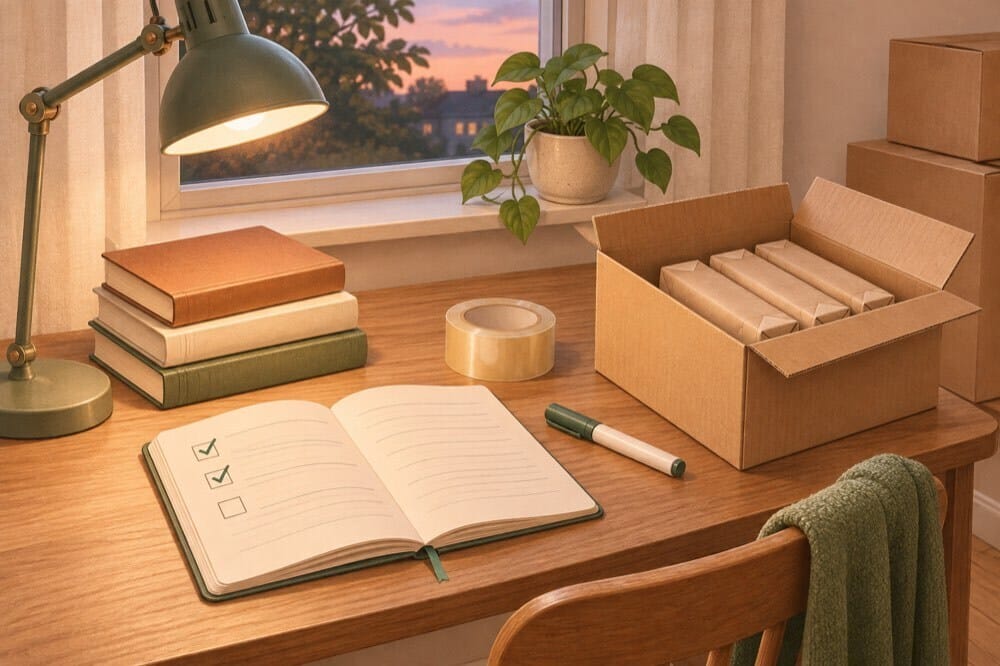
Work from least-used belongings toward everyday necessities. The stages below describe what to aim for; you can move them earlier or combine them when your circumstances require it. Set manageable tasks, such as one shelf or one cupboard, instead of leaving an entire room as an undefined job.
For a house or apartment, a practical room order is storage areas and a guest room first, followed by spare belongings in living areas and bedrooms, then the daily-use kitchen and bathroom setup. Follow how you use each space: a guest room that doubles as your home office may need to stay functional longer. You can pack non-essential items within a busy room before finishing that entire room.
6–8 Weeks Before: Sort Belongings and Gather Supplies
Use this stage to reduce the amount you will pack. Separate belongings into keep, donate, sell and dispose-of groups, then arrange for unwanted items to leave your home. A donation pile still takes up packing space until it is collected or dropped off.
Decide early which large furniture pieces will go with you. If a sofa, desk or shelving unit will not move, arrange its sale, donation or disposal before packed belongings fill the access route. Confirm any collection arrangements rather than assuming an unwanted item can be removed on the day you leave. Keep access to the remaining furniture clear as you start packing around it.

Make a simple list of supplies you need: suitable moving boxes, packing tape, protective wrapping and markers. Check that reused boxes are clean, dry and strong enough for their contents. Choose a place for packed boxes that leaves walkways and exits clear.
If you plan to hire movers or packers, start confirming arrangements alongside this preparation. Booking a service and packing your home are separate tasks; make sure you know which work you are responsible for and when it must be finished.
Your checkpoint for this stage is a clearer home and a workable packing area. You do not need every cupboard boxed up yet.
4–6 Weeks Before: Pack Items You Rarely Use
Begin with belongings you are unlikely to need before the move: out-of-season clothing, holiday decorations, spare linens, decorative objects and books you are not using. Check the calendar before packing anything needed for an upcoming event or change in weather.
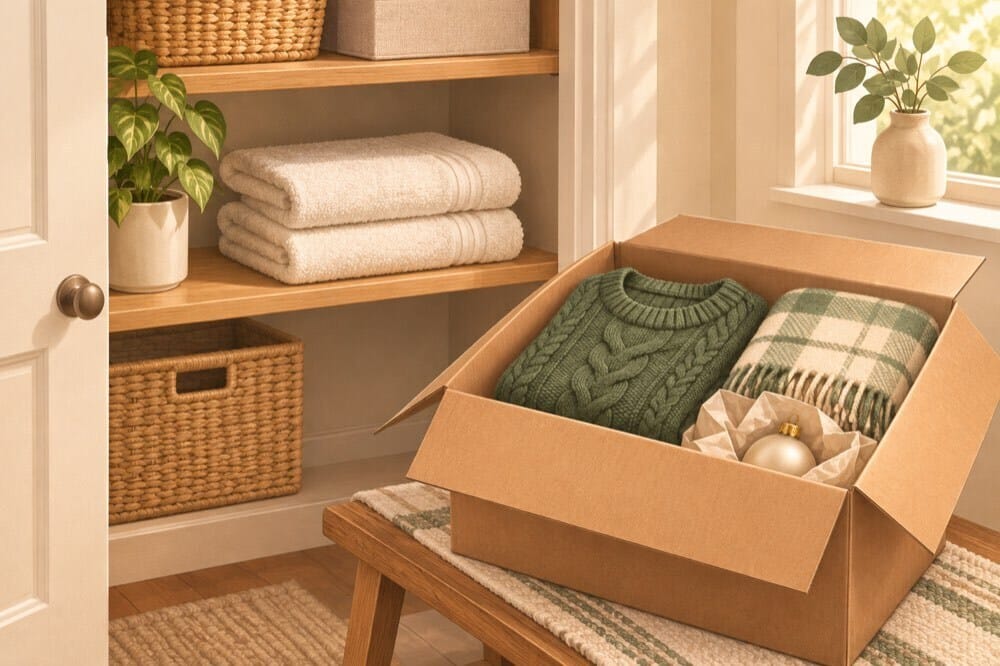
Pack one small area at a time so you can finish, label and set aside each box. Put heavier objects in smaller boxes and cushion fragile items so they cannot shift freely. If a box feels difficult to handle, divide its contents before sealing it.
Label boxes with the destination room and a useful description, such as “Bedroom — winter clothes.” “Miscellaneous” gives you little help when you need to find something later. Keep labels visible when stacking boxes, and mark fragile contents clearly.
2–3 Weeks Before: Pack Most Belongings and Label Boxes
Pack the nonessential belongings that remain, then reduce each room to what you will use before moving day. Leave a small selection of clothes, towels, dishes and toiletries accessible instead of keeping every option available.
Do not save the entire kitchen for the final night. Pack serving pieces, spare cookware and appliances you can do without, while keeping the equipment needed for simple meals.
This is also a useful stage for spare electronics and glassware you will not need before the move. Photograph cable connections before disconnecting electronics, label the cables and keep them with the matching device. Use original fitted packaging when available and in good condition, and follow the manufacturer's packing instructions for delicate equipment. Keep work devices and their chargers accessible until you finish using them.
Wrap each glass separately and cushion the spaces inside a sturdy box so the contents cannot knock together. Keep glassware separate from heavy cookware, and label the box with its contents and destination room.
Check labels as you go. If several boxes contain similar items, number them and keep a short list on paper or your phone. You can also note which boxes you want to open first, such as bedding and basic kitchen supplies.
Look through cupboards and closets after each area is packed. Unfinished corners are easier to address now than when everything else is ready to load.
Final Week: Finish Packing Around Your Daily Routine
Pack the remaining daily-use items as you finish using them. Plan simple meals, narrow down clothing choices and set aside what you need to clean after rooms are emptied. Schedule the final bedding and bathroom items for the morning of the move if you still need them overnight.
Prepare your essentials bag before the final rush. Keep your essentials bag in a designated place apart from boxes intended for loading. Check with everyone in the household so their medication, chargers or work items do not end up packed accidentally.
If you are moving with Limestone Moving, its moving FAQs say to empty drawers, cabinets and desks. Allow time to pack those contents before moving day instead of treating furniture as a substitute for boxes.
In the final 48 hours, use this checklist:
• Confirm the packing deadline. Check the agreed loading time and finish any packing that is your responsibility before the crew or helpers arrive.
• Finish laundry and let everything dry. Pack clean, fully dry clothes and linens, leaving out what you need for the last night and the journey.
• Close out the kitchen and bedrooms. Pack the remaining items after their last use; set a reminder for bedding and bathroom items you still need on the morning of the move.
• Separate your essentials. Check your personal bag, documents, valuables and chargers, then put them somewhere they will not be loaded with the moving boxes.
• Do a final walkthrough. Check cupboards, storage areas and outdoor spaces you use. Close finished boxes, check labels and clear the route to the door.
What Should Stay Unpacked Until Moving Day?
Keep daily necessities accessible until you finish using them, then place them in an essentials bag or clearly separated box. “Accessible” does not mean everything must remain loose: your first-night supplies can be packed early as long as they stay within reach.
Set aside:
• Personal necessities: medications, glasses, toiletries, a change of clothes and any required care supplies.
• Important items: identification, keys, payment methods and essential documents.
• Devices: phones, chargers and equipment needed for work or communication.
• First-night supplies: bedding, towels, toilet paper, drinking water and a few basic eating utensils.
• Household-specific needs: food, clothing or comfort items needed by children or pets during the move.
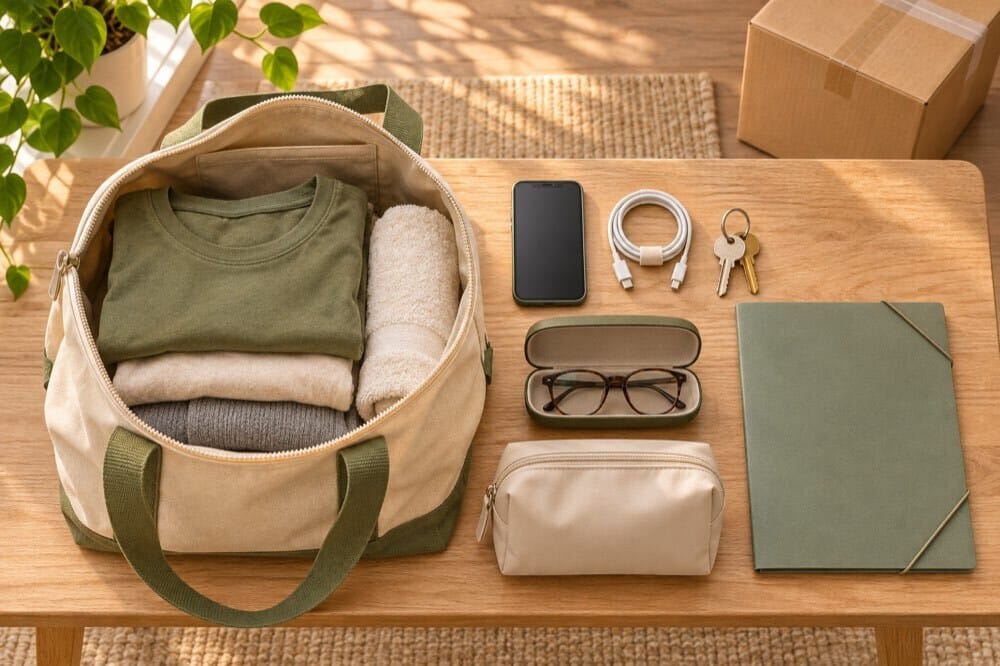
Keep valuables and important documents under your own control. Limestone Moving's FAQs list cash and important documents among the items its movers do not transport.
Tell anyone helping which bags and boxes must stay separate. A useful label is “Keep with me — do not load,” followed by a final check before loading begins.
How Do You Pack When You Have Only a Week or Less?
With a short deadline, start by assessing whether the time and help available match the amount left to pack. A one-week plan can help you prioritize, but it cannot guarantee that every household will be ready. If the workload is too large, seek additional help or discuss changes to the arrangements as early as possible.
One Week Left: Prioritize Essentials and Work by Area
Set aside essentials first so you do not have to reopen boxes later. Gather supplies in one place, then work through a defined area before moving to the next. Give helpers specific tasks, such as packing books from one shelf or labeling finished boxes.
Make quick decisions about obvious donations and rubbish, but avoid letting a major decluttering project consume the week. Pack belongings you intend to keep and schedule the remaining decisions realistically. Check progress each evening against the areas still unfinished.
Leave a small daily-use setup for meals, washing and sleeping. Pack everything else in stages, keeping the final evening for remaining necessities and a walkthrough rather than starting untouched rooms.
Three Days Left: Focus on Safe Packing and a Clear Deadline
List the remaining areas and work backward from the time loading begins. Separate tasks you can complete yourself from those that need help, and contact your mover promptly if you may miss the agreed readiness time. Do not assume the crew can add packing to a booked moving service.
Focus on secure boxes, protected fragile items and clear walkways. Avoid overfilled boxes and loose piles that are difficult to carry. If you cannot pack everything safely in the time available, discuss packing help or a revised plan instead of relying on rushing through the final hours.
Should You Start Packing Before Your Moving Date Is Confirmed?
Yes, you can start with preparation and low-use belongings before your moving date is confirmed. Sorting, donating and packing seasonal decorations are useful steps when you expect to move but do not yet have a firm schedule.
Label boxes clearly, store them where you can reach them and avoid packing documents or equipment you may need during the waiting period. Delay packing everyday belongings until the timing is clearer so your home remains comfortable to live in.
Once the date is confirmed, review your remaining tasks and set a packing deadline based on the actual move arrangements.
How Should You Prepare If You Hire Professional Packers?
Confirm which belongings the packers will handle and what you need to do before they arrive. Limestone Moving lists full-service and partial packing among its packing services, so the preparation depends on the scope you agree on.
Before the appointment, remove belongings you are not taking, set aside personal essentials and identify fragile or especially important items. Clear access to the areas being packed, and explain which cupboards, rooms or boxes are outside the agreed scope.
Ask about materials, excluded items and the packing schedule when arranging the service. If you will pack some items yourself, agree on when those boxes need to be ready.
Planning a move in Austin? Contact Limestone Moving to discuss your move and any packing help you need.
Contact Us
Copyright © 2026 Limestone Moving. All rights reserved.
Terms | Privacy Policy | Sitemap | Accessibility